Tooth decay is one of the most common dental concerns, yet many people don’t realise it’s developing until the damage is already significant. In its early stages, decay can be subtle — showing up as mild sensitivity, slight enamel changes, or discomfort that comes and goes. However, recognising the warning signs early is key to preventing cavities from progressing into more complex dental issues. In this guide, we break down the top signs of tooth decay, why they occur, and when it’s time to see your dentist to keep your smile healthy and protected.
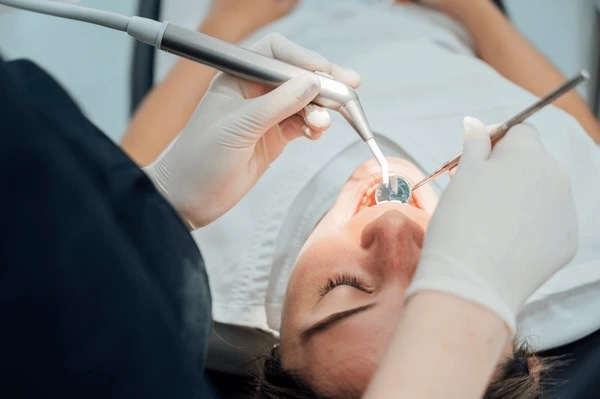
What Is Tooth Decay?
Tooth decay is one of the most common, yet preventable, oral health issues. It starts when plaque, a sticky layer of bacteria, builds up on your teeth. When you eat sugary or starchy foods, those bacteria produce acids that attack your enamel, the outer protective layer of your teeth.
Over time, this acid erodes the enamel, reaching deeper layers like the dentine and pulp. Without treatment, tooth decay can cause pain, infection, and even tooth loss.
Regular dental check-ups, twice-daily brushing, and daily flossing can significantly reduce your risk of tooth decay and cavities.
Toothache: The First Warning Sign
A toothache is often the first symptom people notice. When enamel wears down, it exposes the nerves inside your tooth, causing pain or discomfort — especially when chewing or biting.
While painkillers may temporarily ease the discomfort, they won’t stop the decay. Schedule a dental visit as soon as possible so your dentist can remove the decay and protect the tooth with a filling or restorative treatment.
Pro Tip: Early detection can save you pain, time, and money, and keep your smile healthier for longer.
Tooth Sensitivity to Hot and Cold
Do your teeth twinge when you sip coffee or eat ice cream? Tooth sensitivity occurs when worn enamel exposes the dentine, causing your teeth to react to temperature changes.
Ignoring sensitivity can allow decay to progress deeper into the tooth. Your dentist can recommend fluoride treatments, desensitising toothpaste, or fillings to restore comfort and strength.
Tooth Discolouration or Dark Spots
Dark patches — especially brown, grey, or black discolouration — may indicate the start of tooth decay. While some stains are from coffee, wine, or smoking, discolouration that doesn’t brush off should be assessed by your dentist.
Plaque and bacteria produce acid that weakens enamel, leading to both stains and decay. A professional examination or X-ray can identify the cause and help restore your tooth’s natural colour.
Visible Holes or Pits
If you can see a hole or pit in your tooth, decay has already penetrated the enamel. This stage requires professional treatment to prevent infection or tooth loss.
Your dentist may recommend:
- Filling or inlay: for minor decay
- Crown: for extensive damage
- Root canal: if the pulp is infected
Delaying treatment can lead to more invasive and costly procedures down the line.
Persistent Bad Breath
Bad breath (halitosis) can also be a sign of tooth decay. Bacteria trapped in cavities and plaque release odorous compounds that normal brushing won’t fix.
Maintaining good oral hygiene, brushing, flossing, and regular dental cleaning, helps prevent decay and keeps your breath fresh. If bad breath persists, it’s a clear signal to schedule a check-up.
How to Prevent Tooth Decay
Keeping your teeth healthy doesn’t need to be complicated. Follow these simple steps:
- Brush twice a day with fluoride toothpaste
- Floss daily to remove plaque between teeth
- Limit sugary foods and soft drinks
- Drink plenty of water
Visit Coastal Dental Care every six months for a dental $200 check-up and clean!
Book a Dental Check-Up with Coastal Dental Care
Tooth decay is common, but it’s also completely preventable with proactive care. If you’ve noticed tooth sensitivity, pain, or discolouration, our friendly team can help.
At Coastal Dental Care, we provide comprehensive dental check-ups, fillings, and preventive treatments to keep your smile strong and healthy.
Published on Tuesday, 4th November 2025

