A Parent’s Guide: Your Child’s First Dentist Visit
Your complete guide to preparing your child for a calm, positive and fun first dental experience.
Your child’s first dentist visit is an important milestone not just for their oral health, but for building confidence, trust and long-term positive habits. The experience you create early on can shape how your child feels about dental care for the rest of their life.
If you’re preparing for your child’s first appointment, this guide explains what to expect, how to prepare, and how to make the experience smooth, stress-free and enjoyable.
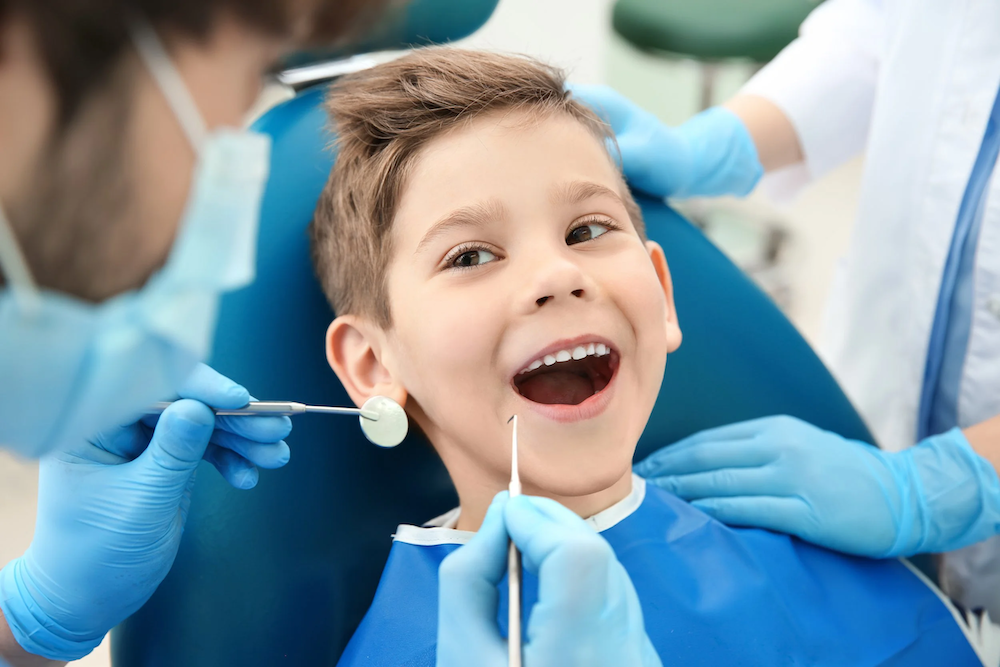
When Should Your Child First See a Dentist?
The Australian Dental Association (ADA) recommends that children visit the dentist:
- When their first tooth appears, or
- By 12 months of age
Early dental visits help detect issues early, build trust with the dentist, and support healthy development.
Why Early Dental Visits Matter
Introducing your child to the dentist early offers several long-term benefits:
– Prevent tooth decay before it starts
– Build confident and positive experiences
– Support healthy speech, chewing and development
– Create habits that last into adulthood
– Identify dental issues early (crowding, enamel issues, grinding)
Positive early experiences set the foundation for lifelong oral health.
What Happens at Your Child’s First Dentist Visit?
At your child’s first dentist visit, it is designed to be gentle, playful and educational. Here’s what typically happens:
A Friendly Meet-and-Greet
Your dentist will introduce themselves, show your child the tools, and help them get comfortable.
A Gentle Examination
The dentist will check for:
- Early tooth decay
- Tooth and jaw development
- Tongue ties or lip ties
- Thumb-sucking effects
- Gum health
Teeth Cleaning
A soft clean may be done depending on your child’s age and comfort level.
Oral Health Guidance for Parents
Your dentist will provide personalised advice about:
- Brushing techniques
- Teething
- Dummy use
- Diet and sugar habits
- Fluoride
- Thumb sucking
Fun Rewards
Most clinics end with stickers or a small treat to create a positive association.
How to Prepare for Your Child’s First Dentist Visit
Choose the Right Time of Day
Select a time when your child is well-rested and fed (morning is best).
Talk About the Dentist Positively (Make it Exciting!)
Avoid words like “hurt”, “needle”, or “scary”.
Instead, say things like:
- “The dentist helps keep our teeth strong.”
- “You’re going to sit in a special superhero chair.”
- Read Books or Watch Shows About the Dentist
- Bring a Comfort Item
- Arrive Early
How to Help Your Child Feel Comfortable During the Visit
- Sit with them on the dental chair if needed
- Encourage curiosity (“Let’s see what that mirror does!”)
- Celebrate bravery (“You’re doing so well!”)
- Stay calm — children mirror your emotions
Your dentist will guide the pacing to ensure your child feels safe.
What is the Child Dental Benefits Schedule (CDBS)?
Eligible children have access to a benefit of $1,158* (over 2 consecutive calendar years) under the Child Dental Benefits Schedule (CDBS), for general dental services such as check-ups and cleaning, x-rays, fillings, extractions, and more.
The CDBS is a dental benefits program for eligible children ages 0 to 17, providing basic dental services over two calendar years. The two-year period starts at the beginning of the calendar year, and there is no rollover for any remaining balance.
The Child Dental Benefits Schedule covers basic dental services such as:
- Check-up
- X-rays
- Cleaning
- Fissure sealing
- Fillings
- Root canal therapy
- Extractions
You can learn more about eligibility and criteria for the CDBS here: Medicare Child Dental Benefits Schedule
*$1,158 over 2 consecutive calendar years from 1st January 2026.
Common Questions Parents Ask
How long does the appointment take?
Usually 20–30 minutes, depending on your child’s age and confidence.
Will my child need X-rays?
Not usually for the first visit unless there are specific concerns.
How often should kids go to the dentist?
Every 6 months to monitor development and prevent decay.
Do baby teeth really matter?
Yes, they guide adult tooth alignment, support speech, and affect chewing.
Top Tips for Healthy Baby Teeth at Home
- Brush twice a day with a soft toothbrush
- Use a rice-grain amount of fluoride toothpaste
- Limit sugary snacks and juices
- Avoid letting your child fall asleep with a bottle
- Encourage water as the main drink
Good habits at home make future dental visits easier and stress-free.
When to Be Concerned (Red Flags to Look Out For)
It is important to contact your dentist if you notice:
- Dark spots or holes on teeth
- Persistent bad breath
- Pain when chewing
- Swelling or bleeding gums
- Teeth not coming through on time
- Thumb sucking beyond age 4
- Early action prevents long-term problems.
FAQs
Should I stay with my child during the appointment?
Most dentists welcome it — especially during the first few visits.
What if my child is scared?
Dentists trained in children’s care use calm language, distraction and gentle steps to reduce anxiety.
Can dummy use affect teeth?
Yes, long-term dummy use may contribute to bite issues. Your dentist can discuss weaning strategies.
How can I make brushing easier?
Use music, a timer, a fun toothbrush, or brush together as a family.
A Positive Experience for Your Child’s First Dentist Visit Sets the Foundation
Your child’s first dental visit is a special milestone, and with the right preparation, it can be a fun, confident and rewarding experience. Early dental care not only protects baby teeth but also builds trust and creates lifelong healthy habits.
If you’re ready to book your child’s first appointment, Coastal Dental Care offers gentle, family-friendly dental care across all locations.
Published on: Tuesday, 30th December 2025

