Gum Disease Treatment Gold Coast: Signs, Stages & Treatment
Bleeding gums, persistent bad breath, and redness or swelling around the teeth can sometimes be easy to dismiss. However, these can be signs of gum disease, a common dental condition that can range from mild gum inflammation to more advanced disease affecting the tissues and bone that support the teeth.
Understanding the signs and stages of gum disease can help you recognise changes in your oral health and seek professional advice when needed.
At Coastal Dental Care, our dental teams across the Gold Coast and surrounding areas provide dental examinations, professional cleaning and gum health assessments. If gum disease is identified, your dentist can discuss appropriate treatment and ongoing maintenance based on your individual needs.
What is gum disease?
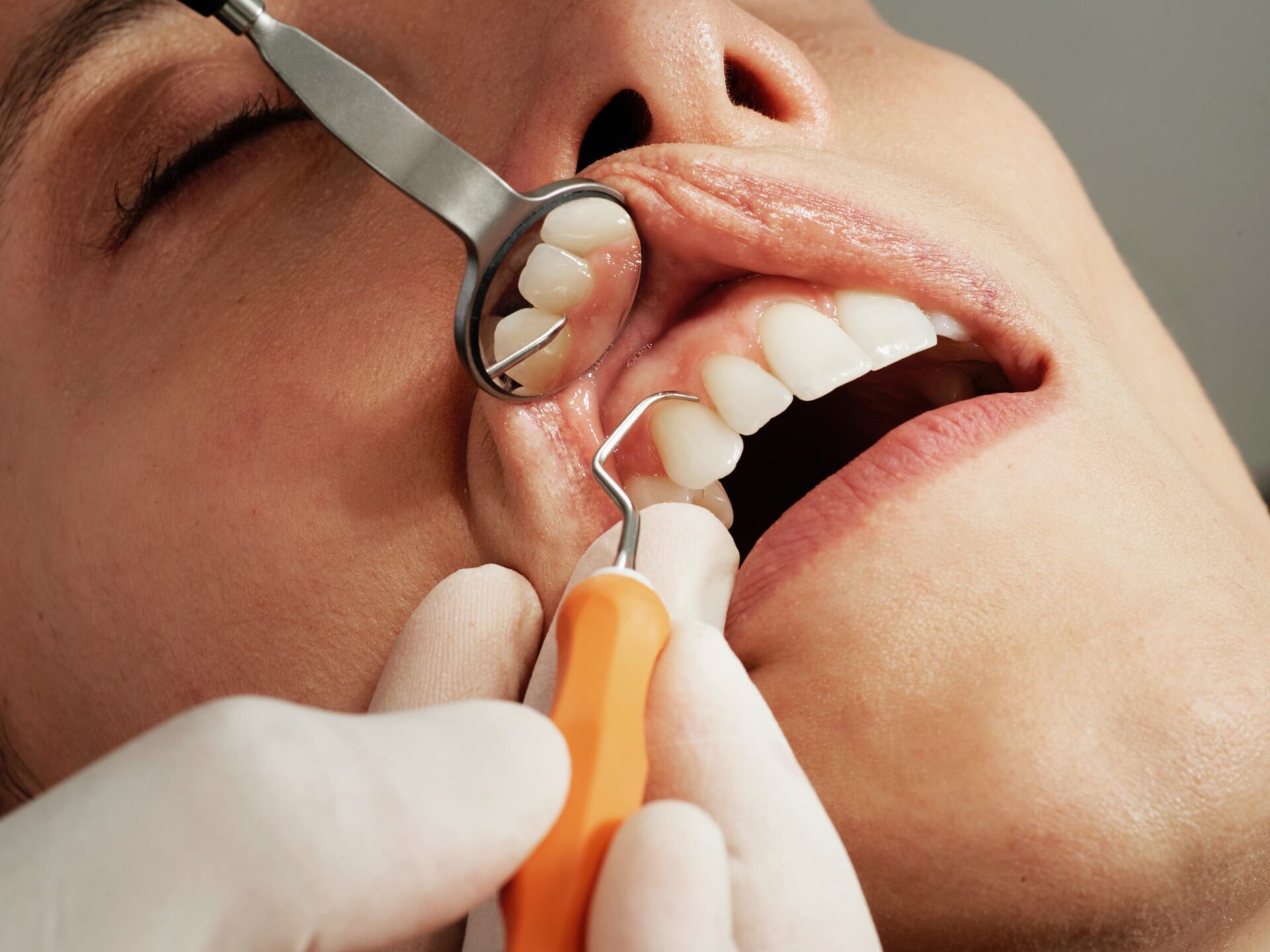
Gum disease is an inflammatory condition affecting the gums and other tissues that support the teeth.
It is commonly associated with plaque — a sticky film containing bacteria that forms on the teeth and around the gumline. If plaque is not removed effectively, it can contribute to inflammation. Plaque can also harden into calculus, or tartar, which cannot be removed effectively through brushing alone.
There are two main forms of gum disease:
- Gingivitis — an early form of gum disease affecting the gums.
- Periodontitis — a more advanced form that can affect the tissues and bone supporting the teeth.
Gum disease is common, and early recognition is important because gingivitis can generally be reversed with appropriate care, while periodontitis requires ongoing management.
What are the signs of gum disease?
Gum disease does not always cause significant pain, which means changes to the gums can sometimes go unnoticed.
Some of the most common signs include:
Bleeding gums
One of the most noticeable signs of gum inflammation is bleeding when brushing or flossing.
Although some people assume bleeding gums are normal, ongoing bleeding can indicate inflammation and should be discussed with your dentist.
Red or swollen gums
Healthy gums are generally firm and fit closely around the teeth. Redness, swelling or tenderness can be signs of inflammation.
Persistent bad breath
Ongoing bad breath or an unpleasant taste in the mouth can sometimes be associated with gum disease, although there are many potential causes.
Receding gums
As gum disease progresses, the gums can pull away from the teeth. This can expose more of the tooth and may contribute to sensitivity.
Sensitive teeth
Exposed tooth surfaces can be more sensitive to hot, cold or sweet foods and drinks.
Loose teeth
Advanced gum disease can affect the tissues and bone supporting the teeth. In more severe cases, this can contribute to teeth becoming loose.
Changes between your teeth
New or increasing spaces between teeth, changes in how your teeth come together when biting, or food becoming trapped more frequently can warrant an assessment.
If you notice any persistent changes to your gums or teeth, a dental examination can help determine the cause.
The stages of gum disease
Gum disease does not necessarily progress in the same way for every person. However, understanding the difference between gingivitis and periodontitis can help explain why early assessment matters.
Stage 1: Gingivitis
Gingivitis is the early form of gum disease. It develops when plaque accumulates around the gumline and irritates the gums. Common signs include:
- Redness
- Swelling
- Bleeding when brushing
- Tender gums
- Bad breath
At this stage, the inflammation is generally confined to the gums and has not caused the bone loss associated with periodontitis.
With appropriate professional care and improved oral hygiene, gingivitis can generally be reversed.
Stage 2: Early periodontitis
If gum inflammation is not appropriately managed, it can develop into periodontitis.
Periodontitis affects the structures supporting the teeth. The gums can begin to pull away from the teeth, creating spaces known as periodontal pockets.
These areas can be more difficult to keep clean and may allow bacteria to accumulate beneath the gumline.
At this stage, professional periodontal assessment and treatment may be required.
Stage 3: Moderate periodontitis
As periodontitis progresses, there can be further damage to the tissues and supporting bone around the teeth.
Symptoms can include:
- Increased gum recession
- Persistent gum inflammation
- Deeper periodontal pockets
- Tooth sensitivity
- Changes in tooth position
- Increasing tooth mobility
The treatment approach depends on the extent of the disease and the individual patient’s circumstances.
Stage 4: Advanced periodontitis
Advanced periodontitis can result in substantial loss of the tissues and bone supporting the teeth.
Teeth may become significantly mobile and, in some cases, may eventually be lost.
The aim of treatment at this stage is to control the disease, manage inflammation and preserve oral health where possible.
Periodontitis cannot generally be reversed in the same way as gingivitis, but it can be controlled and managed with professional care and ongoing maintenance.
What causes gum disease?
Plaque is one of the main contributors to gum disease. Everyone develops plaque throughout the day. Regular brushing and cleaning between the teeth help remove it before it can contribute to inflammation.
When plaque remains on the teeth, it can harden into calculus or tartar. This hardened material requires professional removal.
Several factors can also influence a person’s risk of developing gum disease, including:
- Smoking
- Diabetes
- Certain medications
- Dry mouth
- Oral hygiene
- Nutrition
- Hormonal changes
- Family history
- Individual susceptibility
This means gum disease is not simply a matter of whether someone brushes their teeth. Your dentist can assess the combination of factors affecting your individual gum health.
How is gum disease diagnosed?
A gum disease assessment starts with a dental examination. Your dentist may examine the appearance and condition of your gums and assess the tissues surrounding your teeth. Measurements around the teeth may also be taken to assess the health of the gum tissues and identify periodontal pockets.
Dental X-rays may be recommended where clinically appropriate to assess the supporting bone and identify changes that cannot be seen during a visual examination.
Your dentist will consider these findings alongside your dental and medical history to determine whether you have healthy gums, gingivitis or periodontitis.
What is the treatment for gum disease?
Gum disease treatment on the Gold Coast varies depending on the type and severity of the condition.
Treatment may include professional cleaning, improved home care, periodontal treatment and ongoing maintenance.
Professional teeth cleaning
For patients with plaque and calculus build-up, professional dental check-up and cleaning can help remove deposits from the teeth and around the gumline.
This may be part of managing gingivitis or maintaining gum health.
Improved oral hygiene
Your dental team can provide personalised advice about brushing and cleaning between the teeth.
For most people, brushing twice daily with fluoride toothpaste and cleaning between the teeth regularly form important parts of maintaining healthy gums.
Periodontal treatment
If periodontitis is present, treatment may need to address deposits and bacteria below the gumline as well as the factors contributing to ongoing inflammation.
The specific treatment recommended depends on the severity of the periodontal disease.
Ongoing periodontal maintenance
Gum disease can require ongoing monitoring and maintenance.
Your dentist may recommend regular appointments to monitor gum health, remove plaque and calculus and assess whether the condition remains stable.
The frequency of these appointments depends on your individual oral health.
Can gum disease be cured?
The answer depends on the type of gum disease.
Gingivitis is generally reversible because it has not caused the permanent supporting tissue and bone damage associated with periodontitis.
Periodontitis is different. Once supporting bone has been lost, it cannot simply be restored through routine cleaning. However, periodontitis can often be controlled through appropriate professional treatment and ongoing maintenance.
This is one reason why identifying and managing gum inflammation early is important.
Can gum disease cause tooth loss?
Advanced gum disease can damage the tissues and bone that support the teeth. As these supporting structures are affected, teeth can become increasingly mobile. In severe cases, tooth loss may occur.
However, tooth loss is not an inevitable outcome of gum disease. Early assessment, appropriate treatment and ongoing maintenance can help manage gum disease and support the health of the remaining teeth.
Does gum disease hurt?
Not necessarily.
One of the challenges with gum disease is that it may develop without significant pain.
Bleeding gums, swelling, redness or persistent bad breath may be more noticeable early warning signs than pain.
If your gums bleed regularly when brushing or flossing, it is worth arranging a dental assessment rather than assuming the bleeding is normal.
What can I do at home to improve my gum health?
Professional treatment is only part of managing gum disease. Daily oral hygiene is also important.
You can support your gum health by:
Brushing twice a day: Use a soft toothbrush and fluoride toothpaste, taking care to clean around the gumline.
Cleaning between your teeth: Floss, interdental brushes or another appropriate cleaning method can help remove plaque from areas a toothbrush cannot reach effectively.
Don’t stop brushing because your gums bleed: If your gums are inflamed, gentle brushing remains important. Your dentist can show you the appropriate technique.
Attend regular dental appointments: Professional examinations allow changes to your gums to be monitored.
Avoid smoking: Smoking is associated with an increased risk of gum disease and can affect gum health.
Your dentist can provide advice based on your oral health rather than a one-size-fits-all routine.
Gum disease and your overall health
Research is increasingly showing a link between oral health and general health.
Gum disease has been associated with several health conditions, including diabetes and cardiovascular disease. However, these relationships are complex, and an association does not necessarily mean that gum disease directly causes another health condition.
Maintaining good oral health is nevertheless an important part of looking after your overall health.
If you have a medical condition such as diabetes, tell your dental team so they can take your broader health circumstances into account when assessing your oral health.
When should you see a dentist about your gums?
You should consider arranging a dental appointment if you notice:
- Gums that bleed regularly
- Persistent gum swelling
- Red or tender gums
- Persistent bad breath
- Receding gums
- Tooth sensitivity
- Loose teeth
- Changes in your bite
- New spaces between your teeth
- A persistent bad taste in your mouth
You should seek urgent dental or medical care if gum or facial swelling is associated with difficulty breathing or swallowing, significant facial swelling or severe symptoms.
Gum disease treatment on the Gold Coast
Coastal Dental Care provides dental examinations, professional cleaning and gum health assessments across its network of practices throughout the Gold Coast and surrounding areas.
Our practices are located across areas including Robina, Burleigh Waters, Mermaid Beach, Mudgeeraba, Runaway Bay, Coolangatta and surrounding communities, with additional practices across Northern New South Wales and Redland Bay.
The appropriate treatment for gum disease depends on your individual dental and periodontal health. Your dentist can assess your gums, explain what they find and discuss appropriate treatment and maintenance options.
Frequently asked questions about gum disease
What is the first sign of gum disease?
Bleeding gums when brushing or flossing can be an early sign of gum inflammation. Redness, swelling and persistent bad breath can also occur.
Can gum disease be reversed?
Early gum disease, or gingivitis, can generally be reversed with appropriate professional care and good oral hygiene. Periodontitis is a more advanced condition that requires ongoing management.
How do dentists treat gum disease?
Treatment depends on the severity of the condition. It may include professional removal of plaque and calculus, improved oral hygiene, periodontal treatment and ongoing maintenance.
How often should I have my teeth professionally cleaned?
There is no single cleaning schedule that suits everyone. Your dentist can recommend an appropriate interval based on your gum health, plaque and calculus levels and individual risk factors.
Can gum disease cause loose teeth?
Advanced periodontitis can damage the tissues and bone supporting the teeth and may cause teeth to become loose.
Can gum disease be prevented?
Good oral hygiene, regular dental examinations, professional cleaning when required and managing relevant risk factors can help reduce the risk of gum disease.
Book a gum health assessment on the Gold Coast
If your gums are bleeding, swollen or changing, don’t ignore the signs. A dental examination can help identify the cause and determine whether treatment is required.
Contact your nearest Coastal Dental Care practice to arrange a dental check-up and gum health assessment.
Published on Wednesday, 30th September 2026

