A Complete Guide to Modern Dentures: What to Expect
Tooth loss can affect far more than appearance. It can influence chewing efficiency, speech, facial structure, and overall confidence in daily life. Fortunately, modern dentistry has transformed dentures into highly functional, natural-looking, and comfortable solutions.
At Coastal Dental Care, our in-house denture services are designed with a contemporary, patient-centred approach—focusing on fit, aesthetics, and long-term oral health outcomes.
This guide explains everything you need to know about modern dentures, including types, the treatment process, what to expect, and how today’s dentures differ significantly from those of the past.
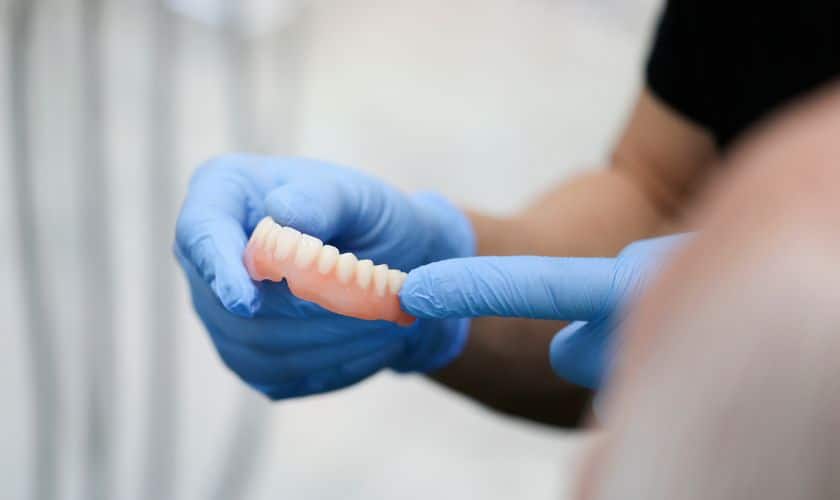
What Are Modern Dentures?
Dentures are removable prosthetic appliances designed to replace missing teeth and surrounding tissue. Unlike older generations of dentures, modern designs are:
- More natural in appearance
- Lighter and more comfortable
- Better fitted using digital or precision impressions
- Improved in stability and bite efficiency
- Customised to facial structure and smile aesthetics
The goal is not just replacement—but restoration of function, confidence, and facial harmony.
Types of Dentures
Understanding the different denture options helps patients choose the most appropriate solution based on clinical needs, budget, and lifestyle.
1. Full (Complete) Dentures
Full dentures are used when all teeth in the upper or lower arch are missing. They rest on the gums and are custom-shaped to fit the mouth securely.
Key features:
- Replace an entire arch of teeth
- Rest on gum tissue
- Require an adaptation period for comfort and function
2. Partial Dentures
Partial dentures are used when some natural teeth remain. They attach to existing teeth using clasps or precision attachments.
Key features:
- Fill gaps between natural teeth
- Help prevent the shifting of remaining teeth
- Improve chewing efficiency and appearance
3. Immediate Dentures
These are placed immediately after tooth extraction.
Key features:
- No period without teeth
- Support healing tissues
- Often require adjustments as gums heal and change shape
4. Implant-Supported Dentures
A more advanced option, these dentures are anchored to dental implants placed in the jawbone.
Key features:
- Significantly improved stability
- Reduced movement while speaking or eating
- Enhanced chewing function
- Help preserve bone structure
What Makes Modern Dentures Different?
Dentistry has evolved significantly over the past decade. Modern dentures now focus heavily on biomechanics, facial aesthetics, and precision fit.
Key advancements include:
Digital impressions
In many cases, digital scanning replaces traditional moulds, improving accuracy and comfort.
Better materials
Lightweight acrylics and high-quality resins create stronger, more natural-looking teeth and gums.
Improved aesthetics
Teeth are individually selected based on:
- Facial shape
- Skin tone
- Age
- Smile symmetry
Enhanced fit and retention
Modern fabrication techniques allow for more precise adaptation to gum contours, reducing slipping and irritation.
The Treatment Process: What to Expect
If you are considering dentures, understanding the treatment journey helps reduce anxiety and sets realistic expectations.
Step 1: Initial Consultation
Your dentist will assess:
- Oral health and gum condition
- Remaining teeth (if any)
- Bone structure
- Bite relationship
- Aesthetic goals
This stage is also where treatment options are discussed, including whether partial, full, or implant-supported dentures are most suitable.
Step 2: Impressions or Digital Scans
Accurate records of your mouth are taken. These are used to design a denture that fits precisely.
Depending on the clinic, this may involve:
- Traditional moulds
- Digital intraoral scanning
- Bite registration records
Step 3: Trial Denture Fitting
A wax model or prototype denture is created to test:
- Fit
- Bite alignment
- Tooth position
- Aesthetics (shape, colour, size)
Adjustments are made before final fabrication.
Step 4: Final Denture Placement
Once approved, the final denture is manufactured and fitted. Your dentist will:
- Check comfort and bite
- Make minor adjustments
- Provide care instructions
Step 5: Follow-Up Appointments
As your mouth adapts, minor adjustments are often needed. This is normal and ensures long-term comfort and function.
Adjustment Period: What Patients Should Expect
It is important to understand that dentures require an adaptation phase.
Common experiences include:
- Mild soreness or pressure spots
- Increased saliva flow initially
- Slight difficulty speaking at first
- Gradual improvement in chewing ability
Most patients adjust within a few weeks. Regular follow-ups help refine fit and comfort.
Benefits of Modern Dentures
Modern dentures offer more than just tooth replacement—they restore quality of life.
- Improved appearance: Well-designed dentures restore facial volume and support lips and cheeks, reducing a sunken appearance.
- Improved chewing ability: Patients can enjoy a more varied diet than those without teeth.
- Speech improvement: Proper tooth placement supports clearer pronunciation.
- Non-invasive solution: Dentures are generally less invasive than surgical alternatives.
- Cost-effective option: Compared to implants or full-mouth rehabilitation, dentures are often more accessible.
Caring for Your Dentures
Proper maintenance is essential for longevity and oral health.
Daily care tips:
- Remove and clean dentures daily
- Use a soft brush (not regular toothpaste, which can be abrasive)
- Soak overnight in a denture solution
- Clean gums, tongue, and any remaining teeth
Regular check-ups:
Even with dentures, routine dental visits are important to:
- Check fit and wear
- Monitor gum and bone health
- Adjust dentures as needed
Frequently Asked Questions
1. “Will they look fake?”
Modern dentures are highly customised and designed to mimic natural teeth in shape, shade, and alignment.
2. “Will they fall out?”
Well-fitted dentures should remain stable during normal function. Implant-supported options offer even greater stability.
3. “Can I eat normally?”
Yes, although it takes time to adapt. Softer foods are recommended initially, progressing to firmer textures.
4. “How long do dentures last?”
Typically 5–10 years, depending on wear, oral changes, and maintenance.
When to Consider Dentures
Dentures may be recommended if you experience:
- Multiple missing teeth
- Difficulty chewing or speaking
- Advanced tooth decay or gum disease
- Loose or failing teeth
- Desire for a removable, non-surgical solution
Early assessment ensures better long-term outcomes and more treatment options.
Why Choose Coastal Dental Care Mermaid Beach
Patients seeking denture treatment benefit from a comprehensive, personalised approach at Coastal Dental Care Mermaid Beach.
The focus is on:
- Individualised treatment planning
- Natural-looking aesthetic outcomes
- Functional bite restoration
- Comfortable, precision-fit dentures
- Ongoing support and adjustments
Whether you require partial dentures, full dentures, or are exploring implant-supported options, care is tailored to your unique oral health needs and lifestyle goals.
Modern dentures are no longer the bulky or uncomfortable appliances they once were. With advances in materials, digital design, and clinical techniques, they now offer a reliable, natural-looking, and functional solution for missing teeth.
Understanding what to expect—from consultation through to adaptation- can make the journey smoother and more confident.
If you are considering dentures or would like a personalised assessment, a consultation at Coastal Dental Care Mermaid Beach can help determine the most suitable option for restoring your smile, comfort, and quality of life.
Published on: Thursday, 14th May 2026

